Leadership
Bryan D. Jones
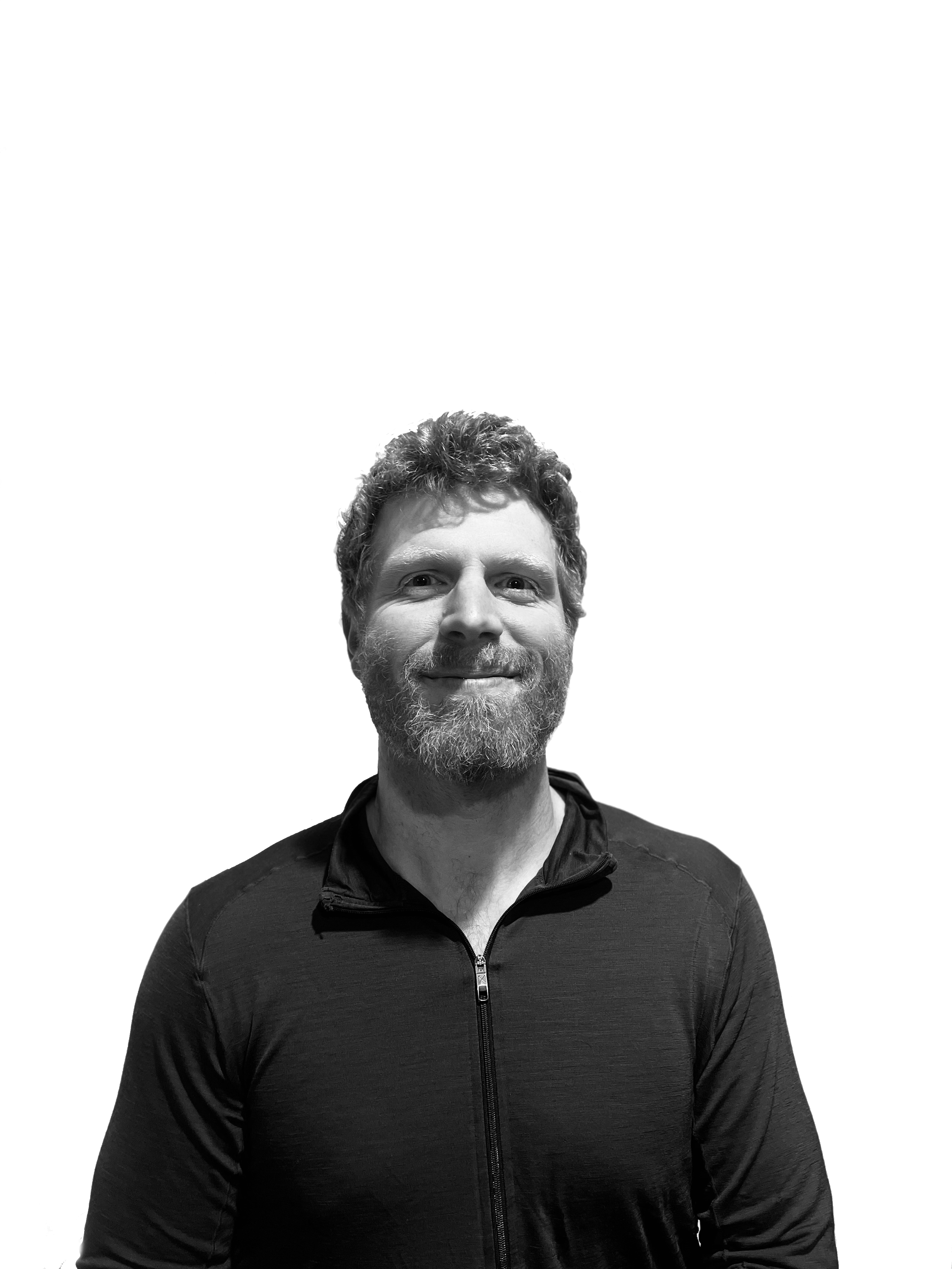
Principal / Owner & Founder | AIA
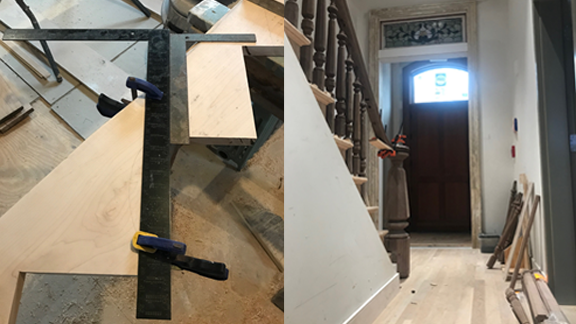
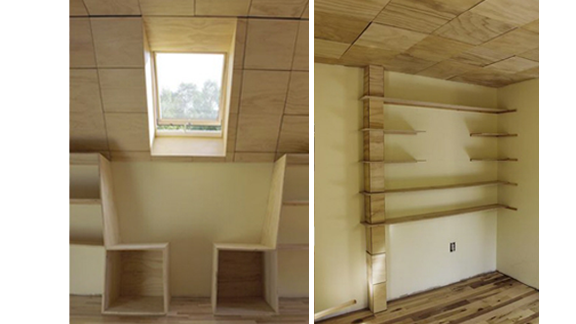
“I want to engage in dialogue with and learn from craftspeople - makers and builders - because through my own time in the trades and constructing buildings, I have come to appreciate their experience and expertise. The exchange of process and craft in the making of an object or space is a moment in the evolution of our process - of how we plan, design, and draw our next project.
Design is at times a solo act, but the making of a great project requires a great band in addition to a thoughtful composition.”
-Bryan D. Jones, AIA
Bryan Jones was born and raised in “the woods” of Salisbury, Vermont, where, from a young age, he learned to observe and interact with the wide range of natural systems offered by the rugged New England landscape. He spent his childhood building “forts” of various types with his brothers and friends, swinging a hammer with his father and brothers as they renovated residential buildings, and learning the foundations of drawing and arts & crafts from his mother.
This appreciation for nature, a sense of the poetics of space, and a strong family connection between construction and the arts led Bryan to pursue a Master of Architecture degree at the Savannah College of Art and Design (SCAD).
Upon completing his academic studies, he returned to Vermont to apply and test his sense of architecture and design in the design-build world, working closely with local builders and tradespeople to complete his first custom home—right where it all started, in the woods of Vermont. After completing the design, construction, and custom stonework, Bryan moved to Philadelphia with his wife to pursue professional experience on the “paper side” of the industry.
Prior to founding Skyplane Studio Architects in 2019, he worked for several architecture firms of varying scales and expertise in Philadelphia, exploring the professional world of architecture, city planning, and civic engagement. He also served in volunteer roles with youth building programs and as a member of the Community Design Collaborative’s Design Review Board.
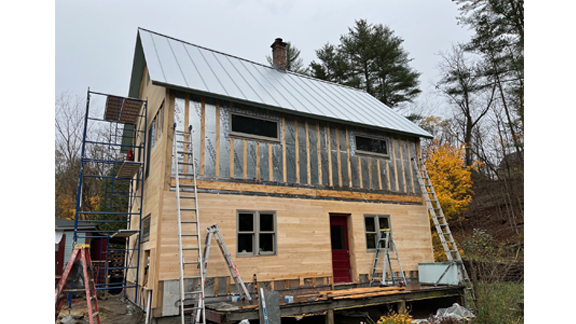
After nearly ten years in Philadelphia, Bryan returned to Vermont and brought Skyplane with him, once again focusing his efforts in architecture on self-building. Experimenting with the comprehensive remodel of a cozy 1850s-era clay factory worker house, he transformed it—with the help of his wife and local tradespeople—into a contemporary vernacular New England home.
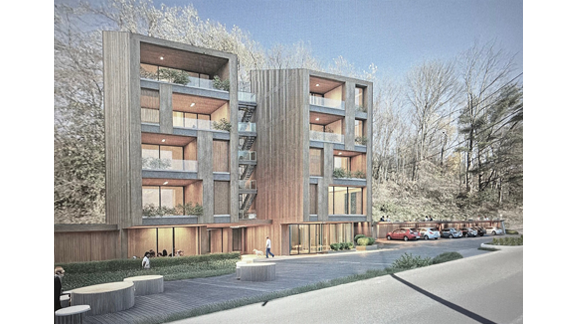
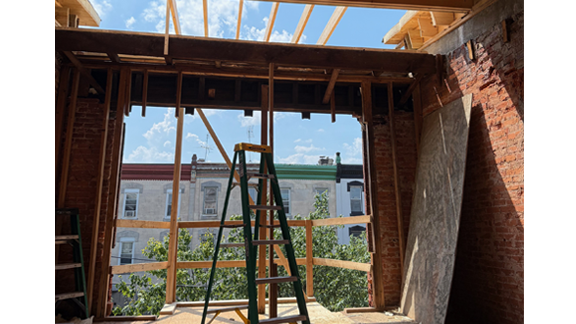
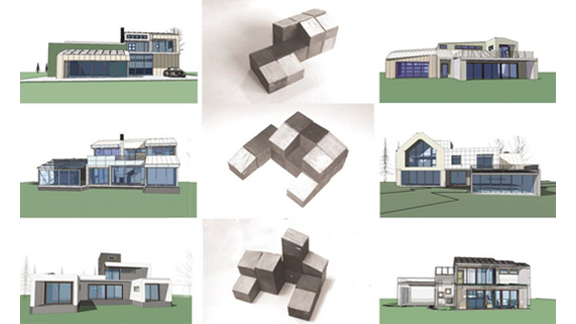
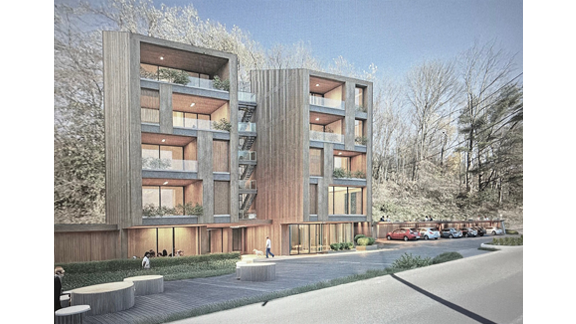
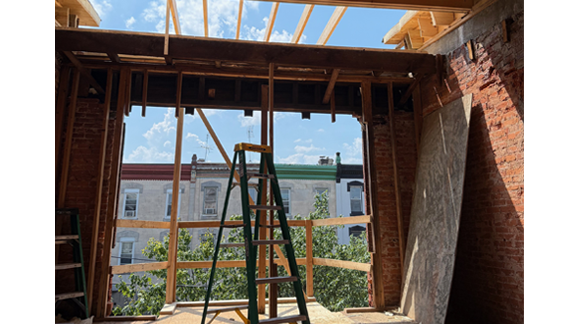
His portfolio spans a range of built and planned projects, from adaptive reuse and historic restoration to custom homes, multifamily residential developments, mass-timber development projects, prefab prototype buildings, and more.
Bryan’s architecture is inspired by the intersection of art, construction, context, and people. Thinking of architecture as “frozen music,” he believes that all things resonate within the larger “bubble” of planet Earth and beyond. Like most architects, he believes architecture’s chief aim is to contribute beauty, innovation, and value to the world—to improve the quality of the built environment and, through it, the lives of all those who engage with it, whether they have a fancy vocabulary for it or not.
In this way, he sees the architect and their colleagues as “priests of the built environment,” responsible for bridging the gap between our connection to landscape, culture, the environment, and ourselves—to foster and expand our sense of spiritual connection to the spaces we inhabit as chief builders within the larger planetary ecosystem.
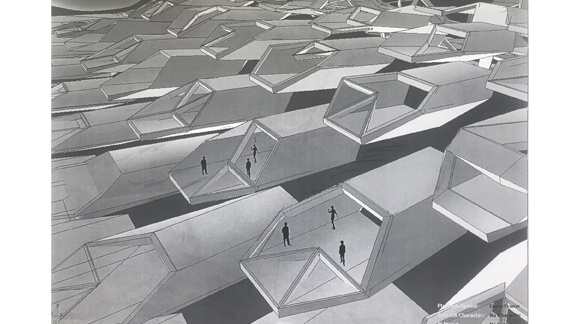
He approaches each project with a practical understanding of construction, a poetic sense of tectonics, and a creative desire to experiment with the meaning and function of space. Through materiality, detail, and innovation, he works to create architecture that is sculptural and alive within its surroundings.
Architecture exists somewhere between the physical and the intangible. It is material and structure, but also memory, experience, light, sound, scale, and place. It shapes the environments in which we live our lives and, in turn, shapes something of who we are.
Too much of the built environment treats architecture as a problem of production alone. Bryan believes we can ask more of it – to create places that engage the mind and spirit, deepen our connection to place, and carry meaning beyond physical form.
To make Architecture with a soul.
OUR OFFICE